Market Insights
Amazon FBA vs Your Own Store: Margin Math for 2026
Referral fees, storage, and ads have shifted again. We ran the same three SKUs through FBA and a Shopify storefront to see where cash actually survives.

Operators still treat Amazon as the default front door. That made sense when ads were cheaper and storage was a rounding error. In 2026 the same carton can look profitable in Seller Central and thin once you add aged inventory surcharges, inbound placement, and a 15% referral on a $42 gadget.
We modeled three live SKUs — a mid-tier earbud, a portable power station accessory, and a kitchen chopper — through FBA and through a Shopify store with a 3PL. The question was not which channel is “better.” It was where contribution margin stays above 18% after ads.
The FBA stack, itemized
- Referral fee: 15% on most consumer electronics and kitchen, 8–15% depending on category.
- Fulfillment fee: $4.30–$7.80 for the units we tested, size-tier dependent.
- Inbound placement and inventory: $0.20–$0.55 per unit once you leave the low-inventory discount.
- Ads: $0.80–$1.90 TACOS on competitive keywords in Q1 2026.
The independent storefront stack
Shopify plus a US 3PL looks more expensive on paper until you remove Amazon ads. Payment processing, theme, and apps ran about $0.90 per order. Outbound pick-pack was $3.40–$4.10. The real cost is traffic: Meta and Google do not replace the Amazon search box. For branded accessories with reviews already in the wild, the storefront won. For unbranded commodities, FBA still cleared faster.
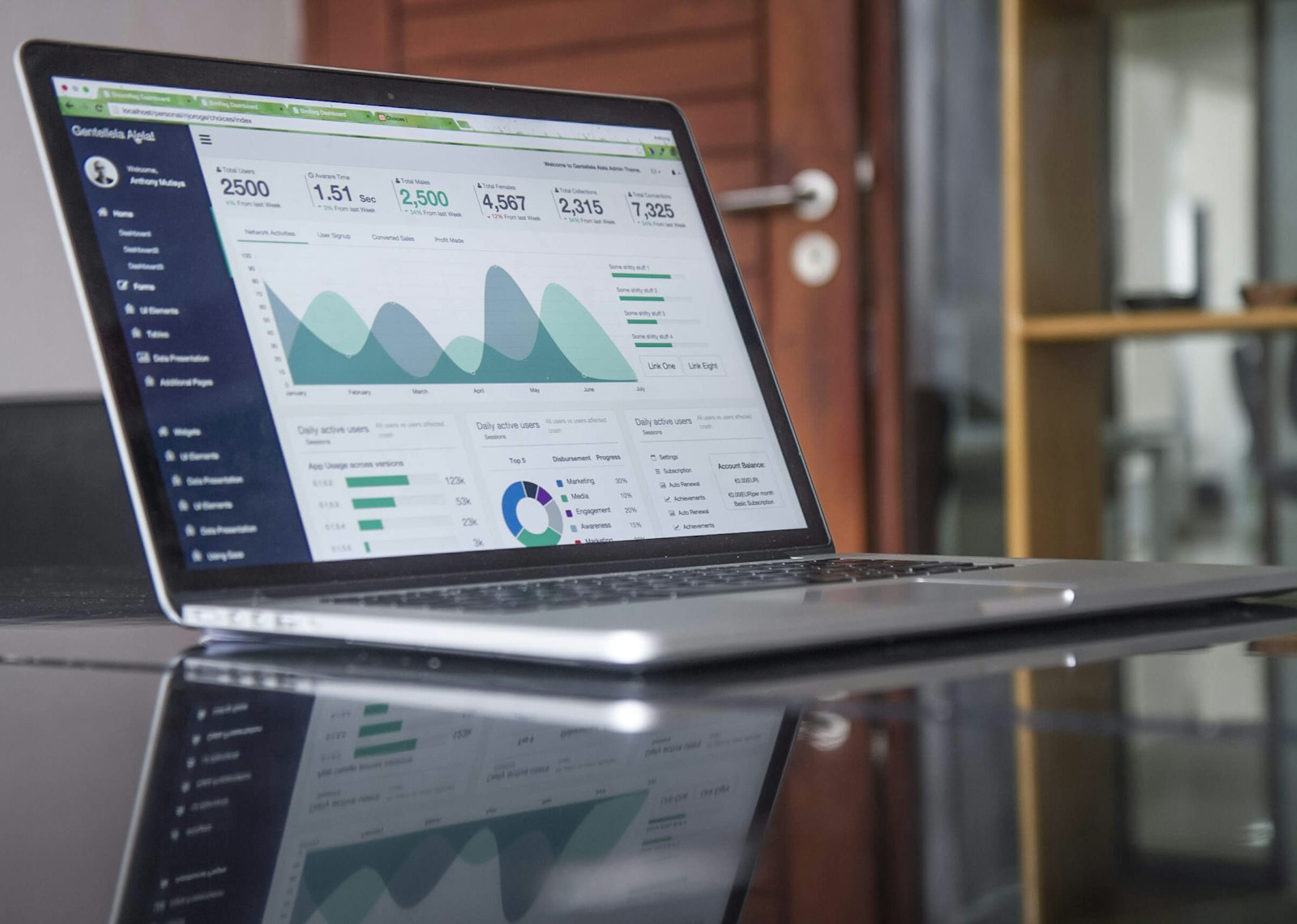
Use Amazon to learn the keyword. Use your store to keep the customer. Mixing those jobs is how catalogs leak cash.— Owen Hart
Our working rule for 2026: if a SKU needs more than 12% TACOS to rank, move the hero offer off Amazon and keep FBA as a convenience channel. If it ranks on organic with TACOS under 8%, keep feeding FBA and treat the store as a retention layer.
Keep reading
Related notes

Kitchen Gadgets That Keep Winning in Dropshipping
Air fryers, milk frothers, and compact prep tools still convert. We mapped the SKUs, landed costs, and listing angles that held up through spring 2026.
May 11, 2026 · Lina Ortiz

Portable Power Stations We Tested for Outdoor Retail
Seven compact stations, three weekends of camping loads, and a clear split between units you can import and units you should leave on the factory floor.
February 16, 2026 · Lina Ortiz
Freight Forwarding Without the Headache: A Small Importer’s Guide
How to choose a forwarder, read a quote, and keep a 2–8 CBM shipment moving when you do not have a logistics team.
January 9, 2026 · James Okonkwo